
Blue Hour on the Boardwalk: Chasing the Last Light Over the Reeds
Field Notes | September 19, 2026
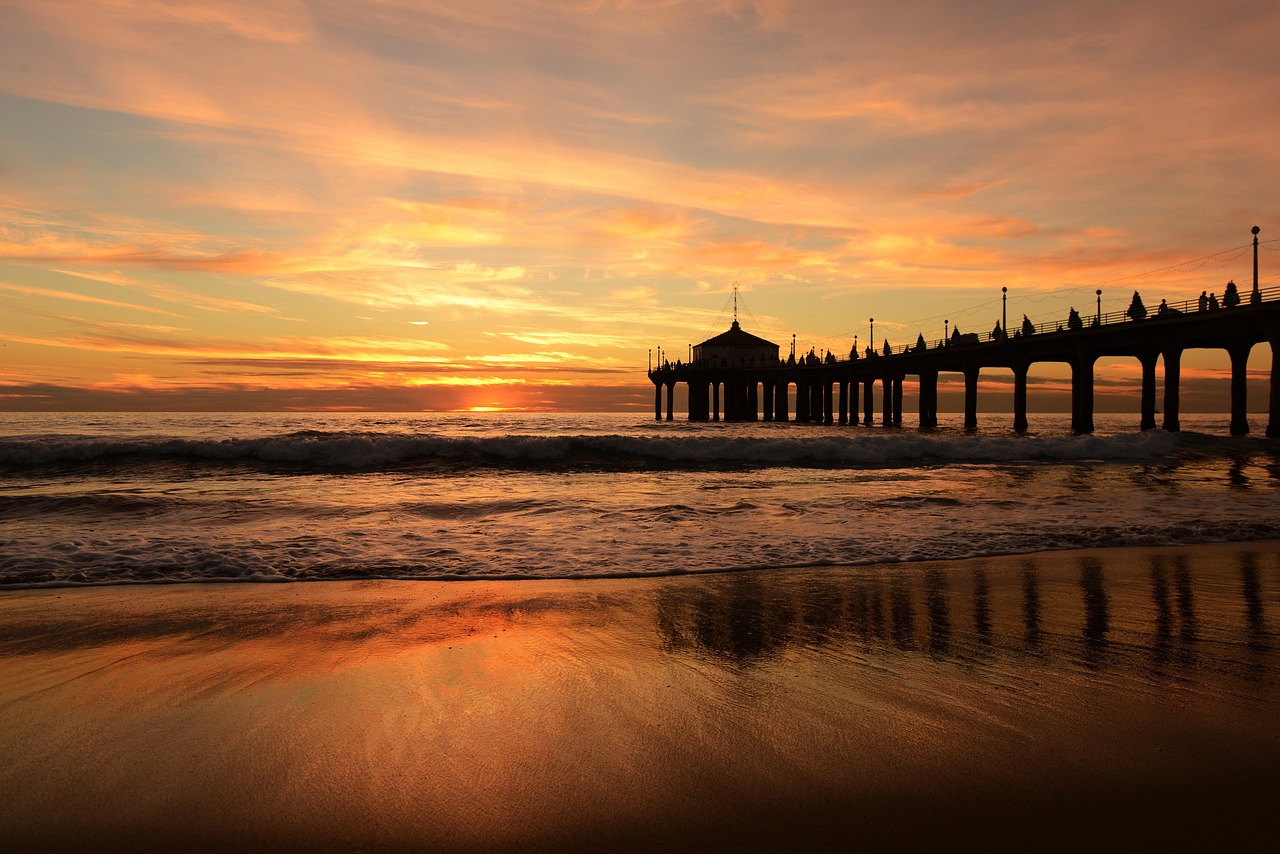
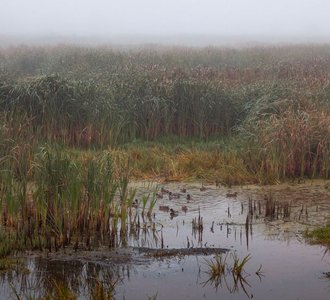
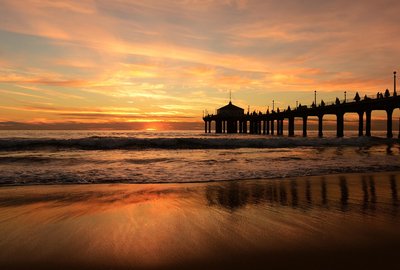
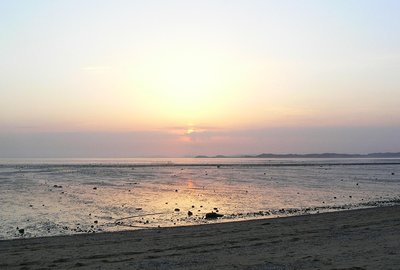
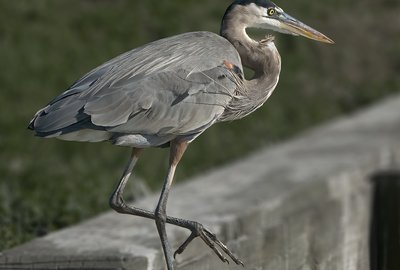
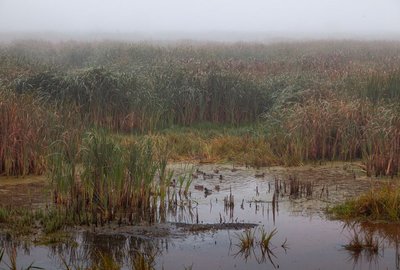
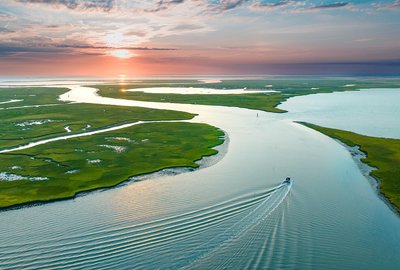
There is a particular stretch of boardwalk I return to when I want to remember why I carry a camera into wet places at all. It crosses a brackish creek that feeds into a larger estuary, and for most of the day it is unremarkable — a gray ribbon over gray water. Then the sun drops below the tree line on the far bank, and for fifteen or twenty minutes the whole scene reorganizes itself. The reeds go from green to copper. The water stops reflecting the sky and starts holding it. And the herons that were invisible all afternoon suddenly become silhouettes with opinions.
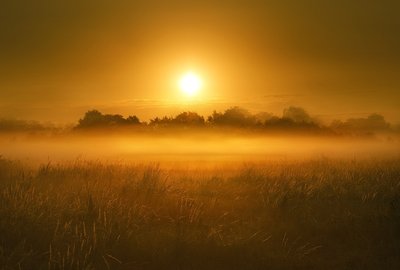
I call this the blue hour, though it is not really blue at first. It is amber, then rose, then a deep slate that photographs almost like ink. If you are standing on the boardwalk with a tripod and a long lens, you are not really photographing a marsh anymore. You are photographing the last warmth of the day as it drains out of the landscape.
Why the Boardwalk Changes What You See
Boardwalks are a gift and a constraint. They keep you out of the mud and above the spartina, which means you can move quietly and quickly without leaving a trail of footprints that will show up in someone else's frame the next morning. But they also lock you into a single line, a single height, a single relationship to the horizon. At first this feels limiting. Then you realize it is a discipline. You cannot chase the light across the marsh; you have to wait for it to come to you. You learn to read the water's surface for the first hint of color, the first shift from silver to gold. You learn to watch the grass tops, because they catch the light before the water does, and they will tell you when the show is about to start.
I have made some of my favorite photographs from that boardwalk simply by standing still for forty minutes. No composition tricks, no dramatic foreground. Just the creek, the reeds, and the sky doing something quiet and enormous.
Technical Notes for the Fading Light
Blue hour photography in a marsh is a negotiation with time. The light is beautiful but it is leaving, and you have to decide whether to chase exposure or accept motion. I usually start at f/8 and ISO 400, handheld, and let the shutter speed float. As the light drops, I switch to a tripod and drop the ISO to 100. Long exposures turn the creek into glass and the reeds into soft smears, which is not always what I want — sometimes the texture of the grass is the whole point. So I bracket: one frame for the water, one for the grass, one for the sky. Later, in the quiet of my own kitchen, I decide which version of the evening I want to keep.
The other thing I have learned is to stop when the light is gone. Not when the camera says it is too dark, but when the marsh itself has gone quiet. The birds settle. The wind drops. The water stops moving in a way that feels like breathing. That is the moment to pack up, walk back along the boardwalk in the dark, and let the last frame sit in your mind all the way home.


Marshlight Media
Low tide exposes a landscape that looks like chaos, but the mudflat is full of lines, textures, and small dramas if you learn to read it like a photographer instead of a pedestrian.