
When the Water Returns: Photographing a Marsh Through the Seasons
Seasons | September 22, 2026
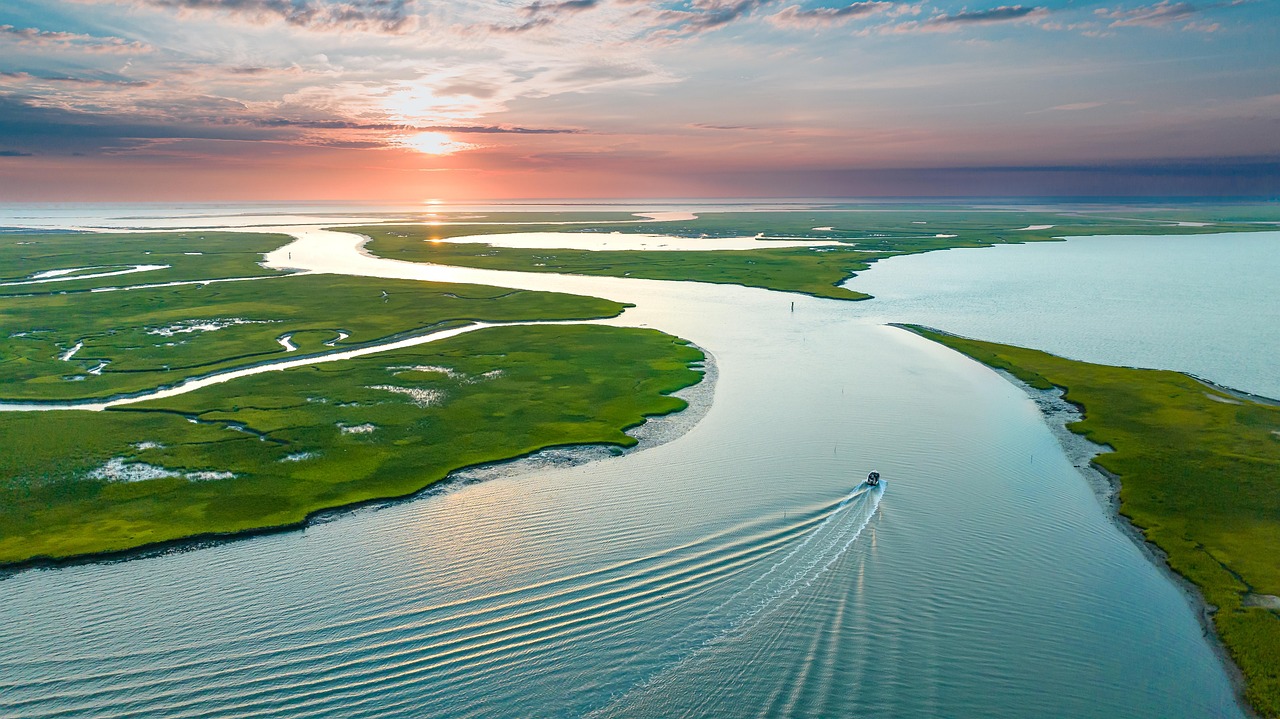
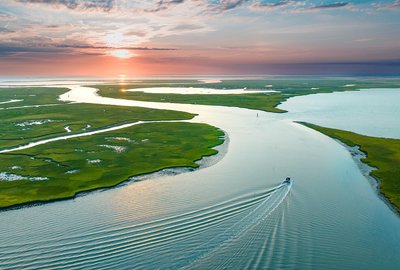
I have a bad habit of chasing new locations. A new marsh is exciting; it has unknown edges and unphotographed light, and the first visit always feels like discovery. But the best work I have made in wetlands came from a single, unremarkable tidal creek that I visited maybe forty times over two years. The secret was not the place. It was the returning.
Here is what a year looks like when you commit to one marsh. Winter comes first, and it is the season people skip. The grass is dead and tan, the water is the color of pewter, and the whole place looks like it has been abandoned. But winter is when the marsh is most structurally honest — all bones, no decoration. Ice forms in the shallows in thin, cracked sheets that catch low sun like broken glass. If you can stand the cold, you will have the place to yourself, and the photographs have a spareness that summer cannot give you.
Spring, Summer, and the Green Explosion
Spring arrives as a color change you can almost watch. The spartina pushes up new shoots, a green so bright it looks artificial against last year's stubble, and the red-winged blackbirds come back and start defending territories with a fury that is genuinely funny to witness. This is the season of activity. Nests, chicks, courtship displays, the whole loud business of reproduction. It is also the hardest season to photograph well, because everything is busy and green and the light is harsh. I shoot less in spring and scout more, noting where the action is for the quieter months ahead.
Summer is the season of stillness and haze. The marsh is fully grown, dense and tall, and the water is warm and often covered in a green film. Mornings start early and end early; by nine the light is flat and the heat is real. I have learned to treat summer as a low-light season, shooting at dawn and dusk and spending the middle of the day doing something else entirely. The reward is that summer nights are alive — fireflies over the grass, the drone of insects, the occasional meteor if you are patient. A long exposure of a summer marsh at night, with fireflies tracing their little arcs, is one of the few images that genuinely cannot be made at any other time of year.
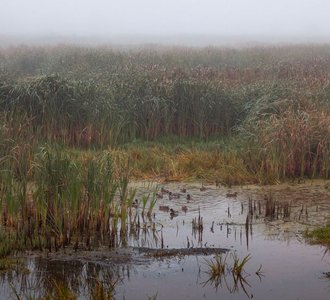
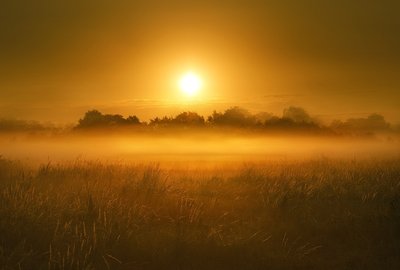
Then autumn returns, and the marsh begins to empty out. The birds leave, the grass goes gold and then brown, and the light turns long and low and warm. For many photographers this is the best season, and I understand why. But I have come to love autumn mostly for what it signals: the cycle is closing, and the bare bones of winter are on their way back.
The Case for One Place, Many Times
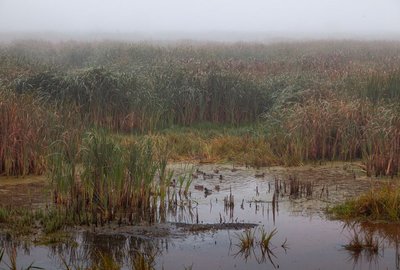
What you gain from returning is not just familiarity with a location. You gain a relationship with its rhythms. You learn which tide floods the eastern creek first. You learn where the fog pools on cold mornings and where it burns off first. You learn that a certain dead tree is a perch for a kingfisher at exactly one hour after sunrise in October, and nowhere else, and never in any other month.
That kind of knowledge is not transferable. You cannot google it or buy it. It only comes from showing up, again and again, in every season, in weather that does not look promising. The marsh will not reward you every time. But over a year, it will reward you in ways a new location never could, because it will let you see it change.
Pick a creek. Go back. Let the water return, and then return with it.
-

-

-
From Photograph to Story: Turning a Single Marsh Frame into a Narrative
Sep 13, 2026Craft & Composition


Marshlight Media
The fifteen minutes after sunset turn a tidal creek into a mirror of bruised color, and the photographs you make there are less about the marsh than about the feeling of staying.