

The Sound of a Marsh at Dusk: Listening as a Composition Tool
Field Notes | September 25, 2026
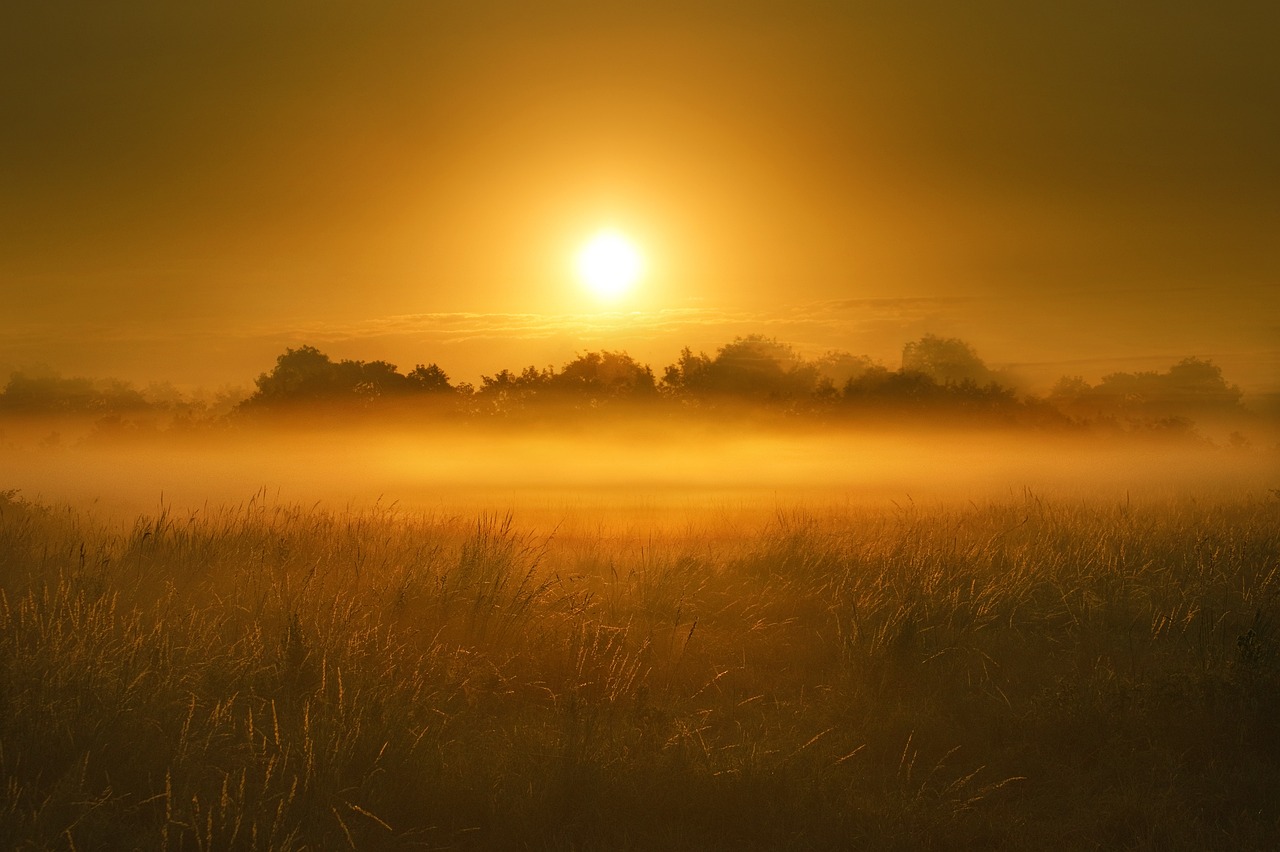
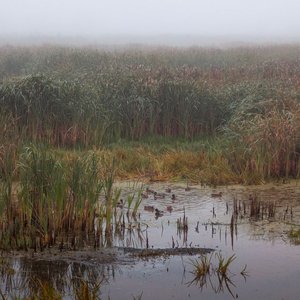
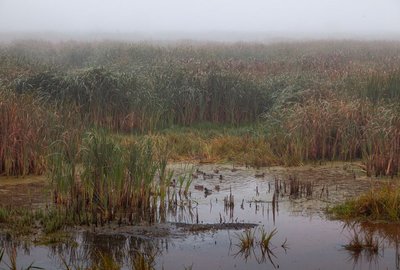
Dusk in a wetland is a listening event that happens to be photogenic. The light is failing, the colors are going flat, and most photographers pack up right when the marsh starts talking. I have learned to stay, and to let my ears do the scouting that my eyes can no longer manage.
Here is what dusk sounds like, in order. First the red-winged blackbirds settle down, their conk-la-ree calls thinning out until only a few stubborn males are still at it. Then the tree swallows come out over the water, chattering while they feed on whatever is hatching, and their sound is a kind of high, dry static that moves in waves across the marsh. Then, if you are lucky, the bittern starts. A bittern does not sing so much as pump — a low, resonant oom that sounds like someone blowing across the top of a jug somewhere far away. You will feel it in your chest before you hear it.
Letting Sound Point the Camera
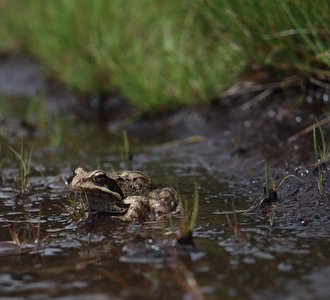
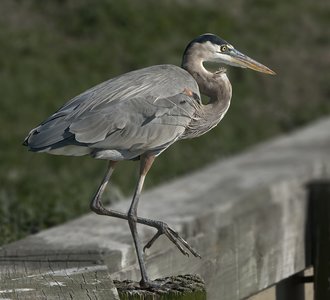
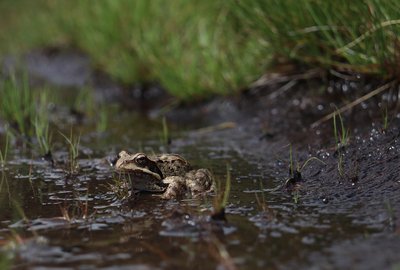
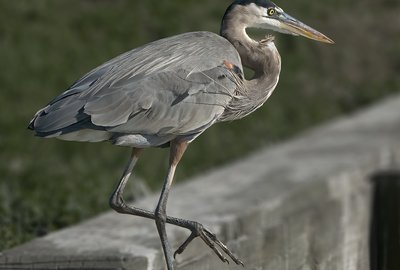
When the light drops below the level where I can reliably focus, I stop trying to see and start trying to locate. That distant oom tells me there is a bird in the reeds about two hundred yards to my left, and if I want a chance at it tomorrow, I should note the spot. The splash of something moving in a creek tells me where the water is shallow enough for a heron to hunt. The sudden silence of frogs can mean a predator is moving through, and if I wait, I might see it cross an open channel.
I am not shooting much at this point. I am building a map for the next visit. But every so often the sound leads me to a frame I would never have found with my eyes — a silhouette against the last band of orange, a shape in the water that only reads as a bird because I already know it is there.
Long exposures at dusk are where sound and image meet. A thirty-second exposure of moving water turns the creek into a smear of gray, and if a bittern calls while the shutter is open, that call is physically part of the picture even though no one will ever see it. I like that. The image holds a moment that includes a sound.
Why Night Sounds Make Better Morning Photographs
The practical payoff of all this listening is that it improves your daylight work. Once you know where the bittern lives, you can be in position before sunrise instead of wandering. Once you know which creek the herons favor, you can set up downwind and wait. Sound is reconnaissance. It tells you what is here when you cannot see it, and that knowledge is what separates a lucky shot from a repeatable one.
There is also the simple matter of not burning out. Photography can become a grinding, visual-only pursuit, all histogram and composition and frame rates. Standing in a marsh at dusk with the camera lowered and just listening is a way to remember why you came. The birds do not care about your settings. The frogs do not care about your portfolio. They are just going about their evening, and you are lucky enough to be standing in it.
Stay past sunset next time. Let the light go. Listen for the oom, the splash, the sudden quiet. Then come back in the morning and photograph what you heard.
-

-
Weather That Keeps Other Photographers Home: Shooting the Marsh in Rain and Wind
Sep 23, 2026Seasons

-


Marshlight Media
A year in the life of one wetland, from winter ice to summer green, and why returning to the same spot beats chasing new ones.