
The Mudflat at Low Tide: Finding Composition in the Mess
Craft & Composition | September 16, 2026
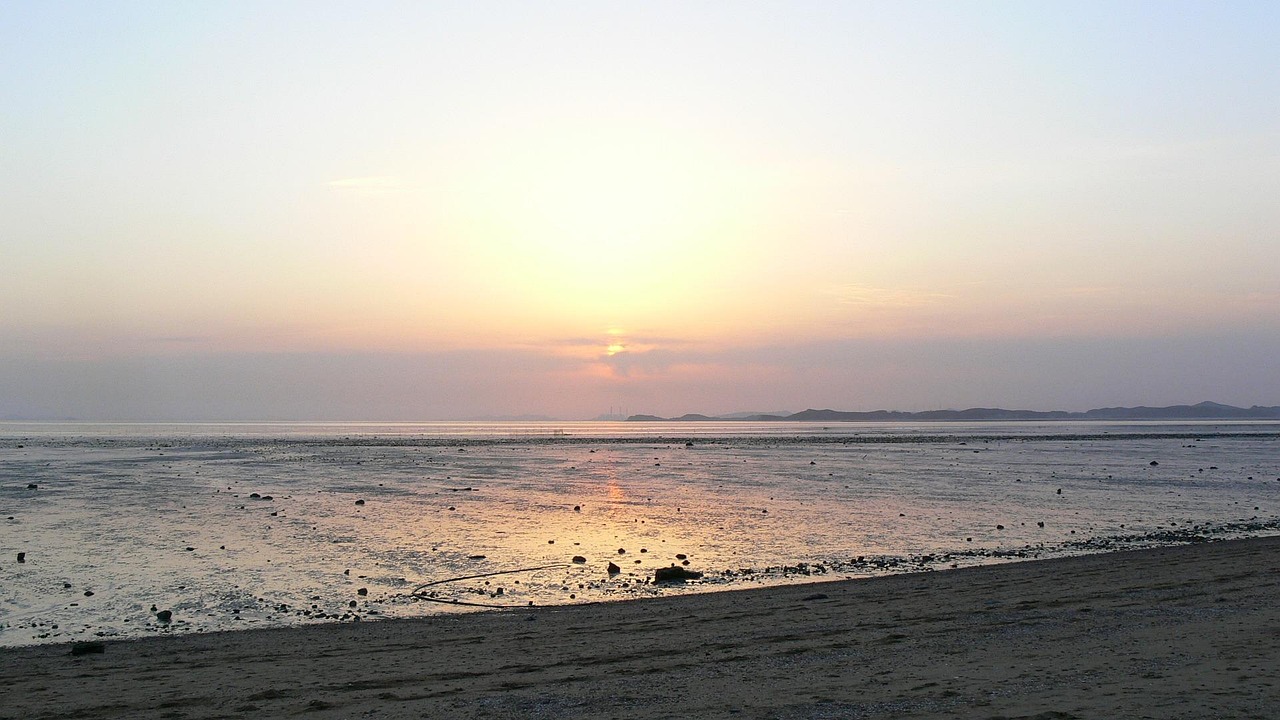
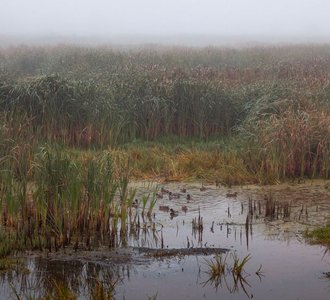
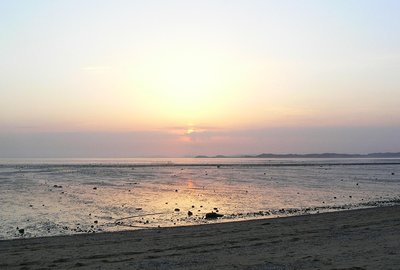
The first time I walked out onto a mudflat at low tide, I thought I had made a mistake. The ground was slick and uneven, the smell was rich and sulfurous, and the whole scene looked like a brown mess. There was no obvious subject, no clear horizon, no pretty reflection. Just mud, water, and a few stubborn patches of eelgrass. I took a few photographs that afternoon and deleted all of them. But I went back the next day, and the day after that, because something about the place kept pulling at me. Eventually I realized the problem was not the mudflat. The problem was that I was looking for a landscape when I should have been looking for a surface.
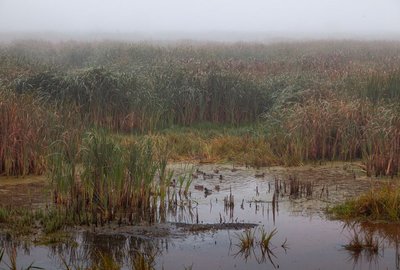
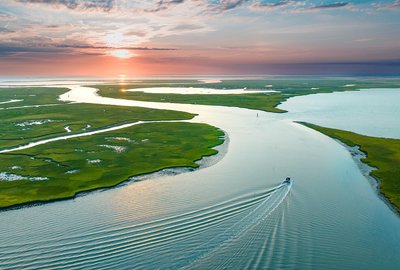
Low tide is when the marsh shows its bones. The water pulls back and reveals a network of channels, pools, and ridges that are invisible at high tide. These are not random. They are the result of water moving in the same patterns for decades, and they have a logic you can learn to see. Once you do, the mudflat becomes a kind of puzzle, and every step you take is a chance to solve it.
Reading the Surface for Lines and Light
The first thing I look for is a leading line — a channel edge, a ridge of sand, a line of seaweed that curves toward something interesting. These lines are rarely straight, and that is the point. A straight line in a marsh feels human and wrong. A curve feels like water, which is what made it. I will often crouch low to the mud and shoot along the surface, letting the foreground go soft and the middle distance carry the weight of the image. This is not a technique you can rush. You have to get muddy, and you have to be willing to look ridiculous to anyone walking their dog on the nearby path.
The second thing I look for is texture. Mud at low tide is not uniform. It has cracks, ripples, bubbles, and the small dimples left by crabs and worms. When the light is low and raking, these textures come alive. When the light is flat, they disappear. So I time my visits for early morning or late afternoon, and I bring a polarizing filter to cut the glare on the wet surfaces. Sometimes I will find a single object — a shell, a feather, a piece of driftwood — and build the whole composition around it. The mudflat rewards patience and punishes hurry.
The Ethics of Walking on Soft Ground
There is a practical side to this that matters as much as the photography. Mudflats are fragile. They are feeding grounds for shorebirds, nurseries for fish, and habitat for invertebrates that hold the whole food web together. Walking on them is a privilege, not a right. I try to stay on the firmest ground, avoid obvious bird feeding areas, and never chase a subject into a place where my footprints will last for weeks. The best photographs I have made on mudflats came from standing still and letting the place come to me. That is not just a technique. It is a way of being in a landscape that is already doing fine without me.


-

-

-
Weather That Keeps Other Photographers Home: Shooting the Marsh in Rain and Wind
Sep 16, 2026Field Notes

Marshlight Media
Bad weather is not bad light — it is the only light that shows you what a marsh actually is: a place that is always in motion, always changing, and never fully under your control.