
From Photograph to Story: Turning a Single Marsh Frame into a Narrative
Storytelling | September 7, 2026
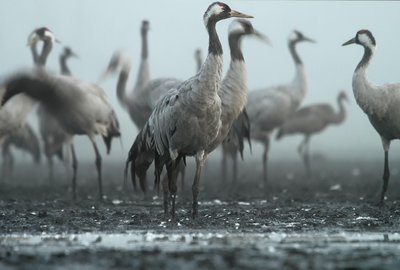
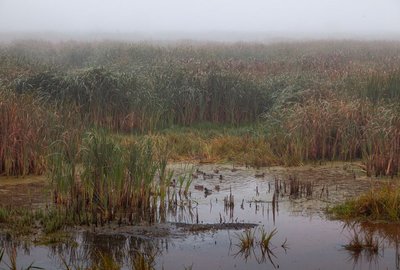
Most of my walks in the marsh produce one or two photographs I actually like. The rest are failures — bad light, bad composition, bad timing. For years I treated those failures as waste. Then I started thinking about them differently. A photograph is not just a picture. It is a record of where you were standing, what you were feeling, and what the marsh was doing at that exact moment. If you put a few of those records together, they start to talk to each other. They start to tell a story.
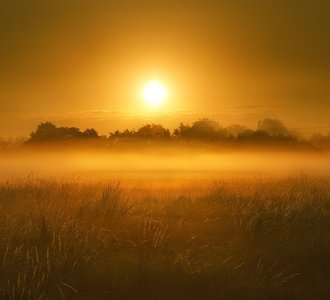
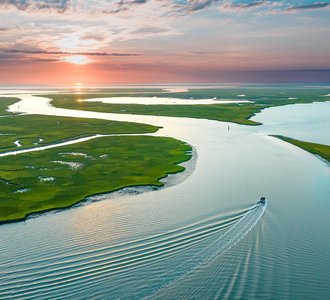
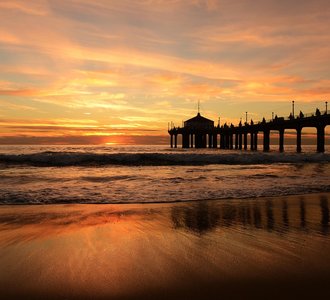
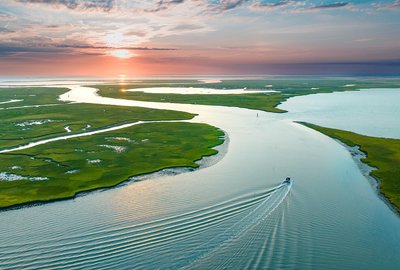
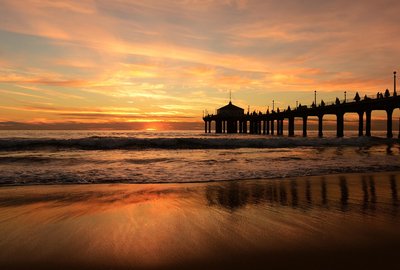
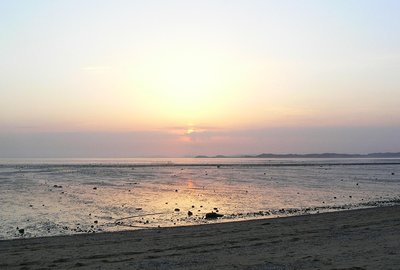
The first time I tried this, I was working on a small series about a tidal creek near my home. I had a photograph of the creek at dawn, a photograph of a kingfisher on a dead branch, and a photograph of the same creek at dusk, with the water almost black and the sky a pale orange. Individually, they were fine. Together, they became something else: a day in the life of a place, a rhythm of light and shadow, a quiet argument about time. I did not plan it that way. I just noticed the connections after the fact.
Building a Sequence Without Forcing It
The key to building a sequence is to stop thinking about individual images as finished products. Instead, think of them as pieces of a conversation. One photograph asks a question; the next one answers it, or complicates it, or changes the subject. You do not need a lot of images. Three or four is often enough. You do not need a single subject. A sequence can be about a place, a mood, a time of day, or a feeling you cannot quite name.
I usually start by laying out all the photographs from a single walk on my kitchen table. I look for patterns. Maybe two of them have the same color palette. Maybe three of them are wide shots and one is a close-up. Maybe one of them is a photograph of nothing in particular — just water, just grass, just sky — and it turns out to be the hinge that holds the others together. I move them around. I take some out. I put them back in. Eventually, a shape emerges. It is not a story with a beginning, middle, and end. It is a story with a texture, a mood, a way of seeing.
Writing the Words That Hold the Images Together
Once I have a sequence, I write a short paragraph to go with it. Not a caption. Not an explanation. Just a few sentences that set the scene and leave room for the photographs to do the rest. I try to write the way I photograph: plainly, with attention to detail, and without telling the reader how to feel. If the photographs are good, the words will not need to carry them. If the photographs are weak, the words will not save them. But when the two work together, something small and true happens. A walk in the marsh becomes a story. A place becomes a feeling. And the failures, the ones I almost deleted, turn out to be the ones that hold the whole thing together.


-

-

-
Weather That Keeps Other Photographers Home: Shooting the Marsh in Rain and Wind
Oct 3, 2026Gear & Craft

-

-
From Photograph to Story: Turning a Single Marsh Frame into a Narrative
Sep 19, 2026Craft & Composition

-

Marshlight Media

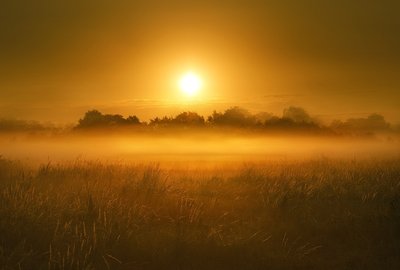
On why the hour before sunrise, when fog swallows the treeline, is the most honest time to photograph a wetland.