
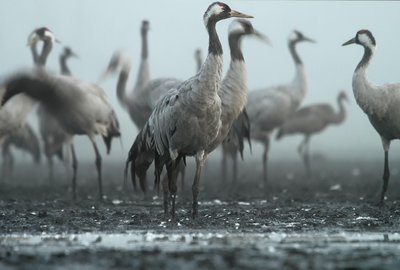
The Fog That Eats the Horizon: Photographing Marsh Mornings
Field Notes | October 4, 2026
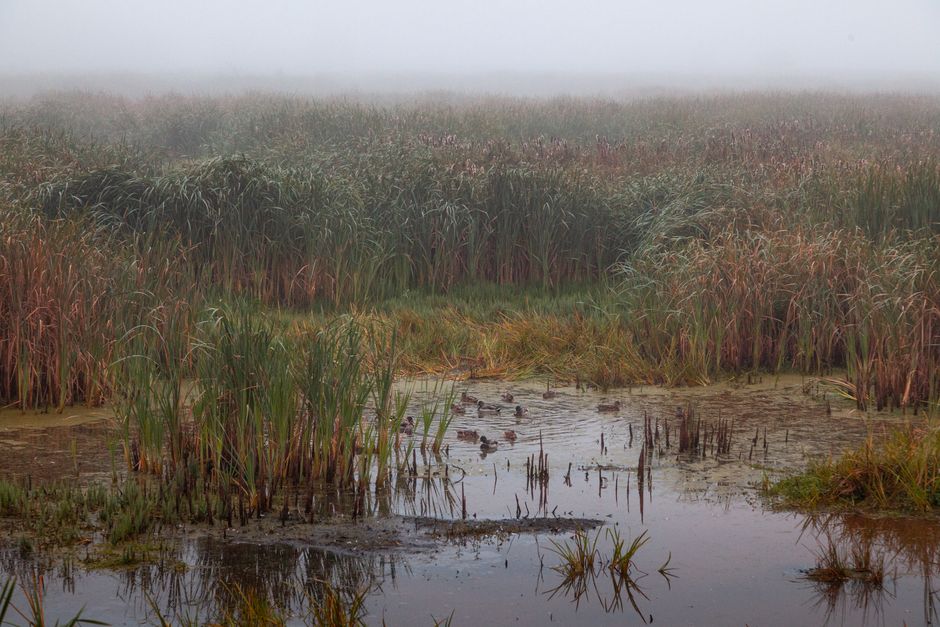
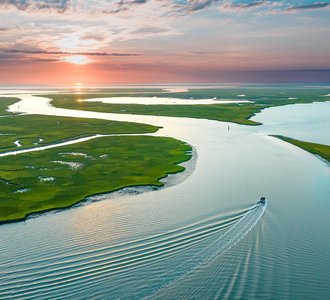
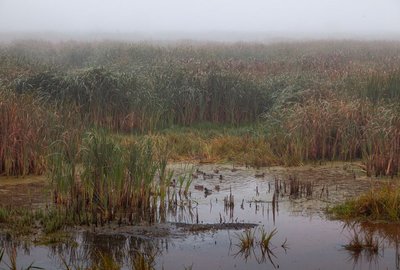
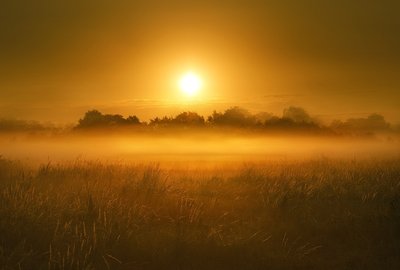
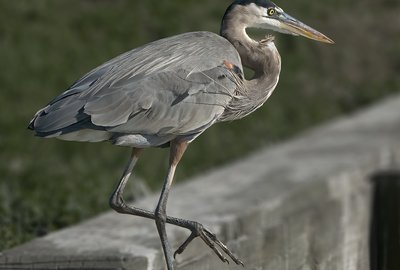
There is a moment, maybe twenty minutes before the sun actually clears the horizon, when a marsh stops being a place and becomes an idea. The fog rolls in low and flat, erasing the far bank, erasing the heron that was standing there a second ago, erasing everything except the few feet of water in front of you and the sound of something moving that you cannot see. I have photographed wetlands for years and I still have not found a better subject than that disappearing act.
People ask me why I bother getting up at four in the morning when I could shoot the same marsh at noon. The answer is that at noon, a marsh is just grass and water. Before sunrise, it is a rumor. The light is blue and uncertain. The mist does half the composition for you by removing everything that does not matter, and what remains — a single post, a curl of reed, the flat silver sheet of still water — feels earned rather than arranged.
Working With, Not Against, the Fog
The first mistake photographers make in fog is trying to defeat it. They crank the contrast, push the shadows, and end up with a gray mess that looks like a mistake. Fog is not a problem to solve; it is a collaborator. Let it flatten your image. Let the midtones go soft. Expose for the brightest part of the mist and let the foreground fall into quiet shadow, because that is what your eye actually saw.
I usually carry one camera and one lens for these mornings, often a 35mm or 50mm equivalent, because zooming in on fog is like zooming in on a sigh. The compression kills the depth that makes fog interesting. Get low instead. Sit on the boardwalk, kneel in the mud if you have to. From water level, the fog becomes a ceiling and the reeds become pillars, and suddenly you are inside the photograph instead of looking at it.
Patience matters more than gear. The fog moves. It thins, thickens, lifts a corner to reveal a distant line of trees, then closes again. I have stood in the same spot for forty minutes waiting for a single gap of light, and I have come home with nothing, and I have come home with the best frame of the year. Both outcomes feel correct.
What the Fog Teaches You
Shooting in mist forces you to abandon the checklist mentality. You cannot plan the perfect composition when the scene is rearranging itself every thirty seconds. You can only pay attention. That attention is the real skill, and it transfers to every other kind of photography you will ever do.
It also teaches humility. The marsh does not care that you drove two hours and set an alarm. Some mornings the fog never lifts into anything usable, and you stand there in the cold with wet boots and a thermos going lukewarm, and the only reward is the sound of red-winged blackbirds starting up somewhere invisible. Honestly, that is not a bad reward.
If you go, bring a lens cloth, because everything will be wet. Bring boots that you do not love. And leave the tripod in the car for the first ten minutes, because the fog will not wait while you level a head. Shoot loose, shoot often, and let the horizon stay lost. It will come back on its own, and by then you will already have the picture you came for.


-

-
Weather That Keeps Other Photographers Home: Shooting the Marsh in Rain and Wind
Sep 11, 2026Storytelling

-


Marshlight Media
A salt marsh has a plot, a rising action, and a climax twice a day — here is how to photograph it that way.