
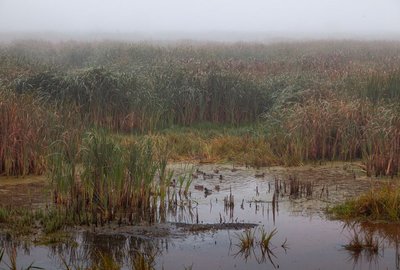
Reading a Salt Marsh Like a Story: Tides, Edges, and Tension
Storytelling | October 1, 2026
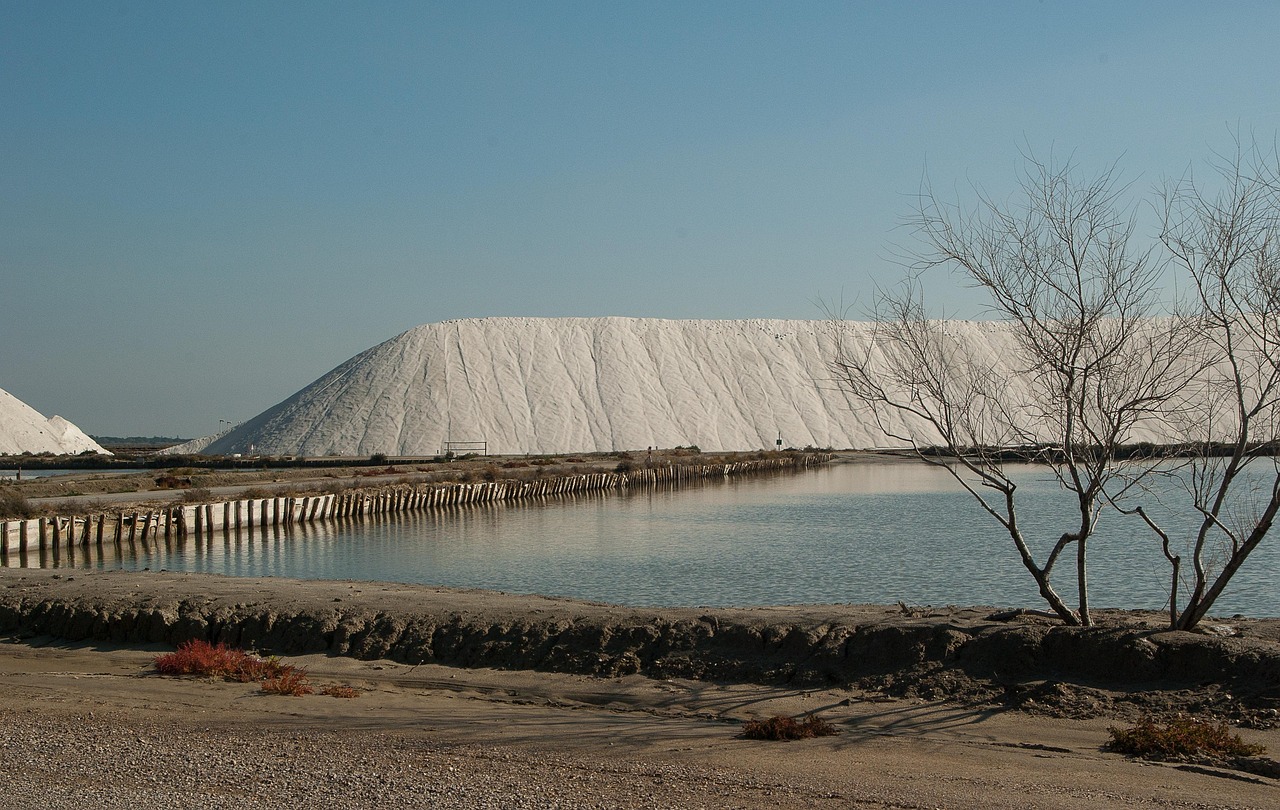
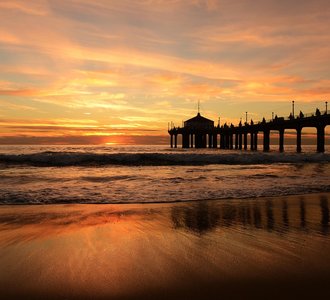
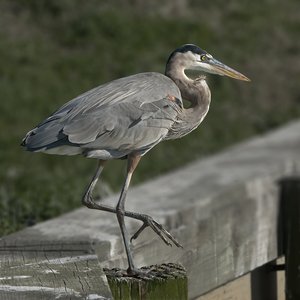
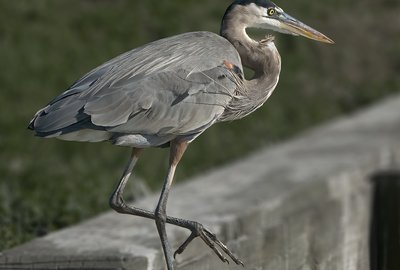
Every salt marsh tells the same story twice a day, and the tide is the one writing it. I started thinking about marshes in narrative terms after a photographer friend told me my images felt like they were missing something. She was right. I had been collecting pretty scenes — a heron here, a sunset there — without any sense of sequence or stakes. A marsh, I realized, is not a collection of views. It is a plot.
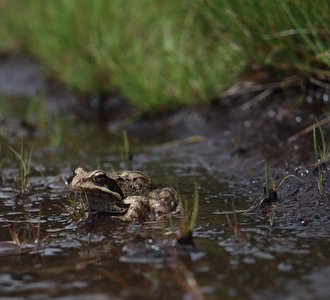
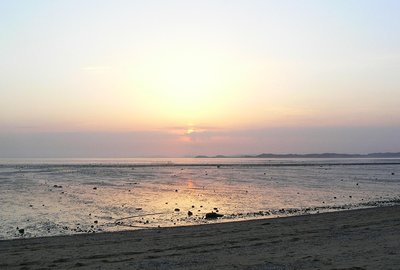
Think about it. At low tide, the marsh is exposed and a little ugly, all mud and spartina stubble and the smell of things rotting in the air. That is your opening scene: raw, unglamorous, honest. As the water creeps back in, the creeks fill and start to shine. That is rising action. By high tide the whole thing is a mirror, and the grass is drowning, and whatever is left standing — a single egret, a post, the tip of a sparrow's head — becomes the climax of the frame. Then the water pulls back and the story resets.
Finding the Edges That Carry the Tension
The most photographable thing in any marsh is an edge. Not the middle of the water, not the middle of the grass, but the line where one meets the other. That line is where the story lives. It is where a heron chooses to stand, where foam collects, where the light breaks into pieces. When I scout a new marsh, I do not look for subjects. I look for edges — creek banks, mudflats, the boundary between open water and reed — and I come back to those edges at different tide stages to see what shows up.
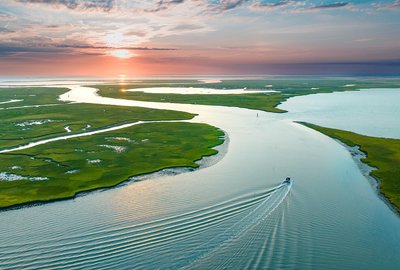
Timing matters more than talent here. A creek that is boring at slack tide becomes a winding silver ribbon at mid-flood. The same frame, two hours apart, can go from snapshot to something you would print. If you only ever visit a marsh at one time of day and one tide stage, you have not really seen it. You have seen a single page of a longer book.
I keep a tide chart in my bag and I mark the two hours on either side of high tide as my prime windows, but I have also learned to love the strange in-between moments — the last inch of water draining out of a pool, the first tongue of flood tide nosing into a dry creek. Those transitional frames carry a tension that a full mirror-calm high tide cannot. Something is about to happen, or just happened. The viewer feels it even if they cannot name it.
Sequencing Images So They Read as a Story
Once you start thinking in tides, your editing changes. Instead of picking the ten best images, you start looking for images that answer each other. A wide shot of the flooded marsh pairs with a tight shot of a single stem breaking the surface. A low-tide mudscape pairs with the same creek full and gleaming. The sequence does the work that a caption would otherwise have to do.
I am not suggesting every marsh photo needs a narrative arc. Sometimes a picture is just a picture. But if you find your wetland work feeling flat, ask yourself what part of the tide story you are actually telling. Chances are you have been shooting the climax over and over and never showing anyone the opening scene. The mud matters. The waiting matters. The receding water matters just as much as the flood.
Go at low tide once, on purpose, and photograph the mess. You will understand the marsh better, and your high-tide images will start to feel like they earned their stillness.


-
Weather That Keeps Other Photographers Home: Shooting the Marsh in Rain and Wind
Sep 29, 2026Field Notes

-

-


Marshlight Media
Salt, mud, and humidity are patient destroyers — a practical field guide to what actually holds up in wetland photography.