
Weather That Keeps Other Photographers Home: Shooting the Marsh in Rain and Wind
Field Notes | September 13, 2026
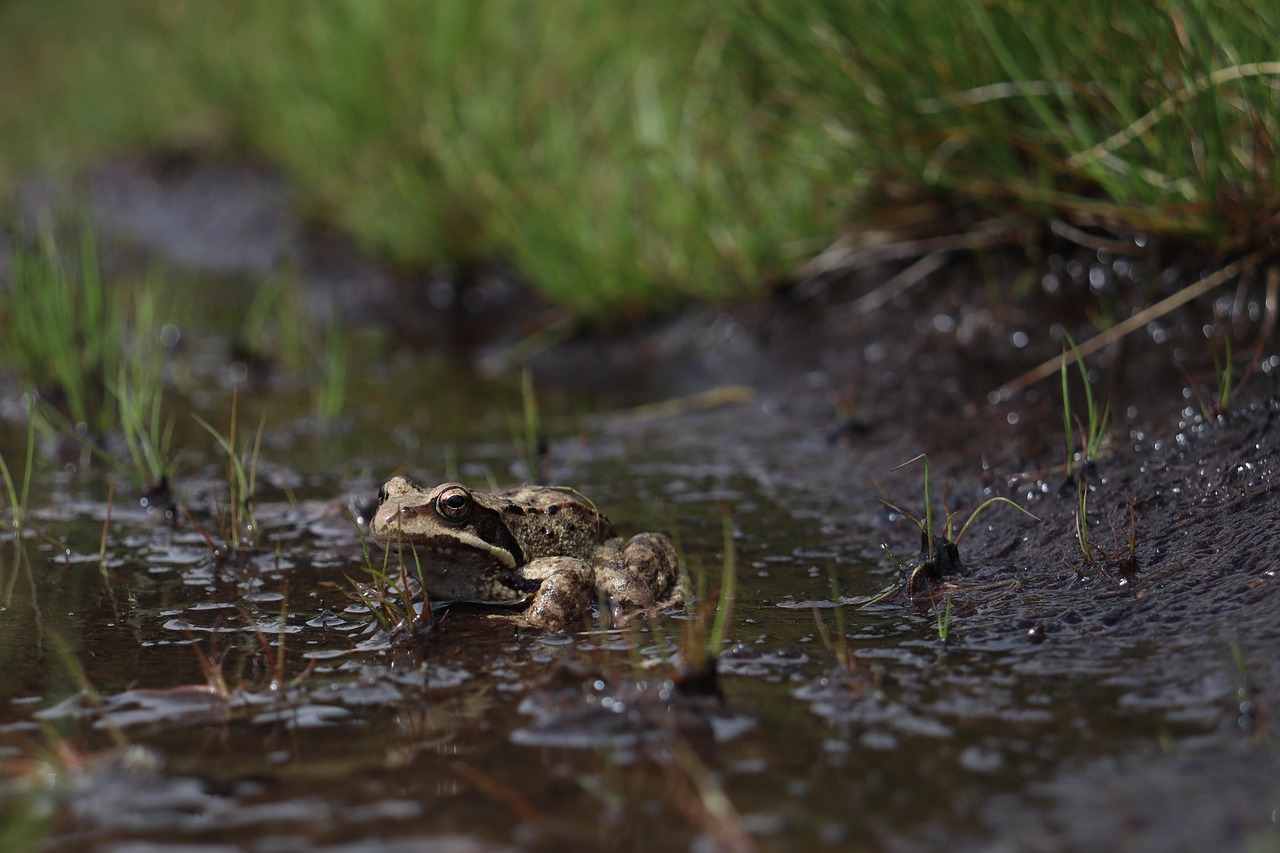
I have a friend who checks the forecast before every shoot and cancels if the chance of rain is above thirty percent. I understand the impulse. Cameras are expensive, boots leak, and there is nothing romantic about wiping mist off a lens for the fifth time in an hour. But some of the most honest photographs I have ever made of a marsh came on days when the weather was actively hostile. Rain, wind, fog, and flat gray light do not ruin a marsh. They reveal it.
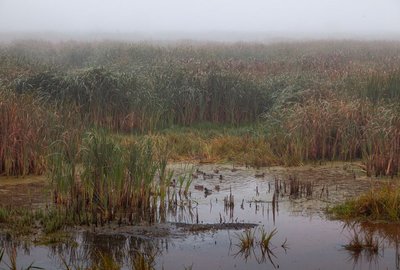
The first thing you notice when you shoot in the rain is that the marsh gets louder. Water hits the reeds and the spartina and the surface of the creek, and the whole place becomes a percussion instrument. The second thing you notice is that the colors change. Greens go deeper. Browns go richer. The sky becomes a soft, even light source that wraps around everything and eliminates the harsh shadows that make midday shooting so difficult. You lose the drama of a sunset, but you gain something else: a sense of intimacy, like the marsh has let you in on a secret.
Protecting Your Gear Without Losing Your Nerve
You do not need expensive gear to shoot in bad weather. You need a few cheap things and a willingness to be uncomfortable. A rain cover for your camera is helpful, but a clear plastic bag and a rubber band will do in a pinch. A microfiber cloth is essential. So is a lens hood, which keeps raindrops off the front element better than any filter. I also carry a small dry bag for batteries and cards, because the last thing you want is to reach for a fresh battery and find it swimming in a puddle inside your backpack.
The bigger challenge is mental. Wind and rain make it hard to compose carefully. Your hands get cold. Your tripod shakes. You start to wonder why you are not at home with a cup of tea. This is the moment to simplify. Stop trying to make the perfect image and start making a series of small, honest ones. A single reed bending in the wind. A ripple crossing a pool. The way rain dimples the surface of the creek. These are not grand statements. They are notes toward one.
Why Flat Light Is Underrated
Photographers love golden hour because it flatters everything. But flat light is honest. It does not hide the flaws in a composition, and it does not add drama that is not there. In a marsh, flat light is often the best light for detail — the veins on a leaf, the texture of mud, the subtle gradations of green in a stand of cordgrass. It is also the best light for storytelling, because it forces you to rely on subject and gesture rather than color and contrast. If you can make a compelling photograph in flat light, you can make one in any light. And if you can learn to love the rain, you will never again be bored by a forecast.


-

-
Weather That Keeps Other Photographers Home: Shooting the Marsh in Rain and Wind
Oct 4, 2026Craft & Composition

-

Marshlight Media
A marsh is never silent, but it is full of pauses — and learning to photograph those pauses is the difference between a record and a story.